
The Role of Data in Developing a Winning Marketing Strategy

By ONE INTEGRATED GROUP
As a CEO or Marketing VP, you are constantly tasked with maximizing returns while minimizing risk. Consequently, when reviewing your marketing investment, the inevitable question arises: Are we making decisions based on instinct or undeniable evidence? Relying solely on intuition, past successes, or industry clichés is a path to unpredictable, high-risk outcomes. Modern marketing requires moving from art to science.
The solution is implementing a systematic, science-backed approach where data serves as the foundation for every investment and strategic pivot. This is the essence of a Data-Driven Marketing Strategy. This comprehensive guide reveals the indispensable Role of Data in Developing a Winning Marketing Strategy, providing the framework for successful Strategic Decision Making. ONEGROUPJA is a science-backed firm that uses Market Intelligence and research to minimize risk and guide every campaign for predictable, profitable growth.
1. The Executive Mandate: Why Data is the CEO’s Best Marketing Tool
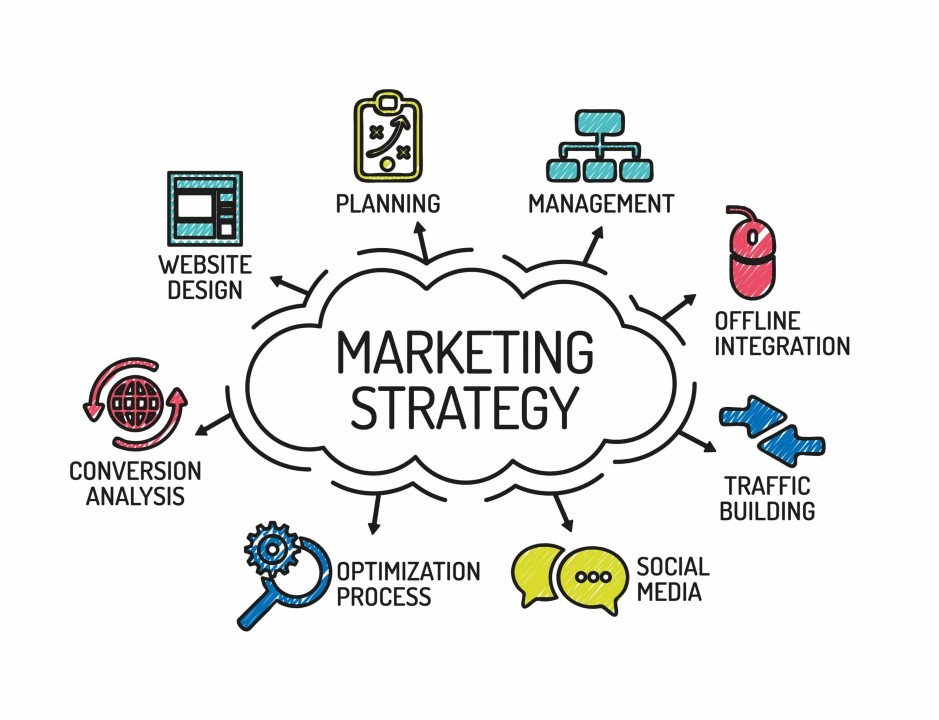
Data is not just for analysts; it is the core currency for executive Strategic Decision Making. It provides objectivity, eliminates guesswork, and allows for precise accountability across all marketing functions.
Transforming Risk into Predictability
The Power of Market Intelligence
Market Intelligence goes beyond internal analytics; it is the comprehensive collection and analysis of external factors that affect your business.
Competitive Benchmarking: Data reveals precisely where your competitors are spending their media budgets and what messaging is generating their highest engagement. Consequently, you can identify strategic gaps and capitalize on them.
Trend Forecasting: Monitoring search volume trends, social media sentiment, and demographic shifts provides an early warning system. This allows your team to pivot or launch new products ahead of the competition.
Unlocking White Space: Market Intelligence often reveals untapped, high-value customer segments or unmet needs that your existing products can address. This is the foundation of genuine innovation.
2. Phase I: Using Data for Strategy—The Audience Blueprint

The starting point of any winning plan is an intimate, data-backed understanding of the ideal customer. Data must define your target audience, their pain points, and their digital behavior. This is foundational for effective Marketing Data Analysis.
Defining the Data-Driven Persona
Data-Informed Messaging and Value Proposition
The Role of Data in Developing a Winning Marketing Strategy is to ensure your message resonates immediately with your target.
3. Phase II: Marketing Data Analysis for Execution

Once the strategy is set, data must guide the operational execution across all channels. This ensures every campaign maintains maximum efficiency and high Maximize Ad ROI.
Data-Driven Channel Allocation and Optimization
A scattergun approach to media spend is fiscally irresponsible. Marketing Data Analysis provides the roadmap for optimal channel investment.
Attribution Modeling: Move beyond last-click attribution. Implement multi-touch attribution to accurately credit all channels (social, search, display, content) that contribute to a final conversion. This reveals which channels initiate the most profitable leads.
Predictive Budgeting: Use machine learning or predictive analytics tools to forecast which campaigns will hit or exceed their Target CPA. This allows for dynamic, real-time budget shifting away from underperforming campaigns toward winners.
Creative Performance Audits: Use data to audit ad creative fatigue. Track the decline in Click-Through Rate (CTR) and Conversion Rate (CR) to determine the precise moment to swap out a creative asset before it starts wasting budget.
Content Strategy Guided by SEO Data
The Role of Data in Developing a Winning Marketing Strategy extends deeply into content creation. Every piece of content should be a targeted asset, not a creative whim.
4. Phase III: Strategic Decision Making and Governance

The final phase involves integrating the data loop into the executive and governance structure. This ensures the Data-Driven Marketing Strategy becomes institutionalized and continuously improves.
Executive Reporting Focused on Strategic Decision Making
Marketing reports must be elevated to executive business reports. They must answer C-level questions, not just marketing questions.
Focus on CLV and Profit: Reports should always center on Strategic Decision Making metrics like Return on Ad Spend (ROAS) and CLV by segment. They must clearly show the profitability of media channels, not just the volume of clicks.
The “Why” Behind the “What”: Present the data with clear analysis. Do not just report a decline in CR; explain that the decline was due to a mobile speed degradation identified via site analytics.
Quarterly Strategic Reviews: Conduct formal quarterly reviews to assess the long-term impact of your strategy. Use this time to adjust your Target CPA based on a refined CLV model.
Institutionalizing Data Governance
Data is Your Most Valuable Marketing Asset
The era of intuition-based marketing is over. Developing a winning Marketing Strategy requires a disciplined, science-backed approach where Data-Driven Marketing Strategy guides every decision, minimizing risk and maximizing profit. By systematically implementing Market Intelligence gathering, rigorous Marketing Data Analysis, and a clear framework for Strategic Decision Making, your executive team can transition from hoping for growth to engineering it.
ONEGROUPJA is your partner in this transformation. We provide the strategic consulting and data architecture expertise to build a predictable, science-backed engine for your business growth. We do not guess; we use data to guarantee results.
Take Action Now: It is time to replace guesswork with guaranteed performance. Reach out for a comprehensive Data Strategy Audit.
Email us today to schedule your executive strategy session: info@onegroupja.com