
Event-Driven Mission: The Strategic Blueprint for Maximizing Attendance and Impact at Faith-Based Events

By ONE INTEGRATED GROUP
If your mission is divine, your event strategy should reflect that commitment. For a Church Administrator or Conference Organizer, a major Faith-Based Event (FBE)—such as an annual conference, a community outreach weekend, or a milestone anniversary—is a major investment of time, budget, and spiritual energy. However, why do so many valuable events struggle with registration numbers or fail to generate lasting impact? The reason is often a fragmented, reactive approach to promotion and execution.
Today’s world demands an integrated, strategic, and ethically sound approach to outreach. Successfully maximizing Faith-Based Event Marketing requires a specialized blueprint. You need a structured plan that places event execution, promotion, and media production at its core to significantly boost Church Event Attendance. We will show you how to build a disciplined, strategic framework that maximizes attendance, honors stewardship, and achieves lasting mission impact.
The Core Challenge: Event Promotion in a Digital Era
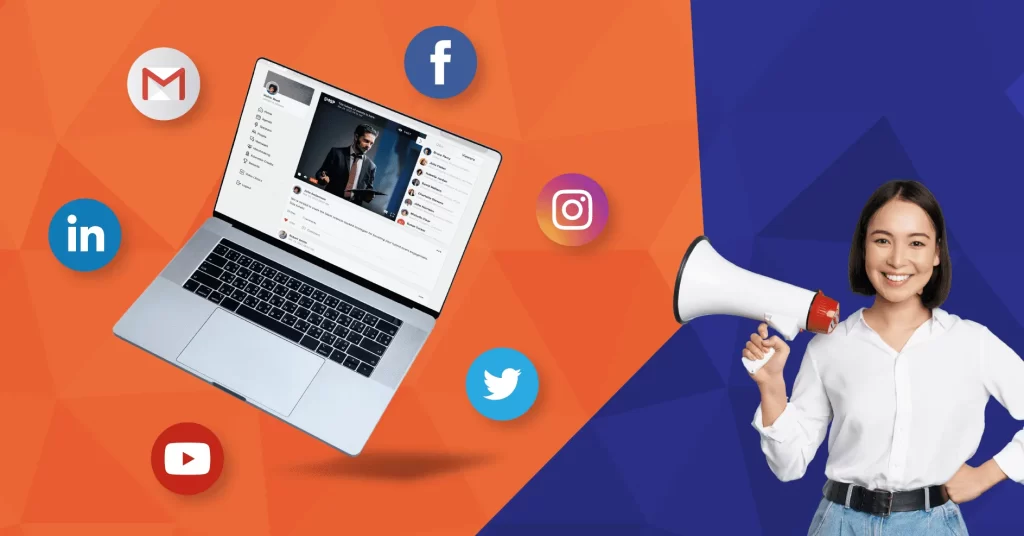
Relying solely on pulpit announcements and physical flyers is no longer sufficient for maximizing Church Event Attendance. Your target audience—whether existing members or seeking community members—lives on digital platforms.
Redefining Marketing as Strategic Invitation
For Faith-Based Events, marketing is not a sales tactic. It is a strategic, continuous invitation. It is the practice of wisely using digital tools to present a compelling value proposition to your community. Your event is a product—a high-value experience—that must be marketed with clarity and consistency.
- Value Proposition: Clearly communicate the transformational benefit. What will attendees gain (spiritual growth, practical advice, community connection)?
- Clear CTAs: Every announcement, flyer, and social post must feature a strong, clear, and easy-to-use Call-to-Action (CTA). The next step (the baby step) should be immediately obvious, whether it’s clicking a link, texting a keyword, or filling out a form.
The Problem of Communication Overload
A common mistake is over-communicating the wrong way. Flooding inboxes with overly complex, long announcements confuses the audience. Your strategy must be targeted and concise.
Phase I: Foundational Strategy and Targeting Attendance
Before you launch the campaign, you must define the specific audience segments for your Religious Conference Strategy.
Segmenting Attendees for Targeted Promotion
You must tailor the message to three distinct groups to maximize Church Event Attendance:
- The Core (Current Members): These need personalized, high-frequency reminders (text/email) and incentives to bring friends. Goal: Personal Invitation.
- The Community (New Attendees): These need clear information, testimonials, and assurance about the event’s welcoming nature. Goal: Online RSVP and First Visit.
- The Partners (Donors/Sponsors): These need professional reports detailing the event’s potential impact and reach. Goal: Securing Financial Investment.
Maximizing Local SEO for Event Promotion for Ministries
For locally focused events, Local SEO is your cheapest and most effective marketing tool.
- Google Business Profile (GBP): Ensure your church’s GBP is fully updated with event times, dates, and a link to the registration page.
- Event Listing Sites: Use online community calendars, local newspapers, and radio announcements to post event details.
- Keywords: Optimize your website event page for local, high-intent terms like “church retreat [Your City]” or “community workshops [Your Parish].”
Phase II: Integrated Promotion for Maximizing Event Attendance

A successful promotion strategy integrates digital, social, and traditional channels, ensuring a consistent message that drives urgency.
Digital Promotion with Urgency
Your digital assets must be high-quality and encourage immediate action.
- Social Media Focus: Use platforms like Instagram and YouTube for visual storytelling, sermon archives, and sharing testimonial videos. Transform long sermons into short, compelling video snippets (Reels/Shorts) to promote the event.
- Targeted Ads: Utilize local Facebook lead-gen ads to drive people directly to the event sign-up page. Geo-target local residents to promote services and community events.
- Email & Text Strategy: Email remains the most valuable tool for promoting events to existing members. Use text messaging as the most powerful communication tool for last-minute reminders and engagement.
Leveraging the Power of Testimony and Visuals
People are drawn to stories of personal transformation. Your promotional content must provide social proof.
- Video Testimonials: Actively capture and share short video testimonials from members who have benefited from past events. This energy is contagious and expands reach.
- High-Quality Visuals: Use visually appealing images and videos that align with your ministry’s values. Design creative flyers and signage that are simple, fun, and accessible.
- Influencer Outreach: Ask high-profile members or local “influencers” to provide testimonials to expand your event’s reach exponentially.
Phase III: Post-Event Strategy for Mission Multiplier
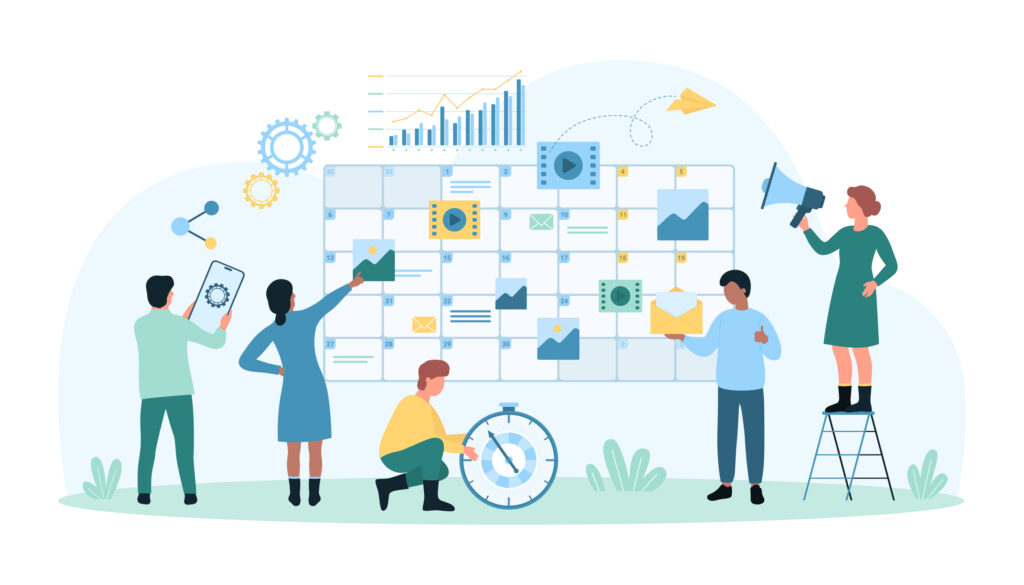
The conclusion of the FBE is merely the transition to a new phase of engagement. Effective follow-up is critical for membership retention and sustained mission impact.
The Follow-Up Mandate
You must have an excellent follow-up policy that keeps your church in visitors’ minds.
- Immediate Contact (24 Hours): Send a thank-you note or simple text message to every visitor and guest to acknowledge their presence.
- Integration into ChMS: Ensure contact information from digital sign-ups or connection cards is immediately logged into your Church Management Software (ChMS) for relationship management.
- Offer a Next Step: Following the event, provide clear avenues for integration: new member orientation, diverse participation avenues, and volunteer opportunities.
Event Execution and Archiving for the Future
The event’s physical and digital assets must be archived and repurposed for future outreach.
- Repurpose Content: Repurpose event recordings into short social clips, blog articles, and video reels to create continuous content.
- Archive History: Collect all photos, video footage, and event memorabilia for archives. Use oral history presentations (audio/video interviews) of long-time members for future anniversary celebrations.
- Measure Outcomes: Track visitor numbers, volunteer sign-ups, and donation increases tied to the event. Use this data to refine your strategy for the next quarterly event.
The Mandate for Strategic Growth
Faith-Based Event Marketing is the most powerful tool for attracting new audiences, unifying congregations, and maximizing mission impact. By moving beyond traditional announcements and implementing a structured, integrated promotion strategy, you can significantly boost Church Event Attendance. This discipline honors the principles of good stewardship and ensures your message reaches the broadest possible audience.
Ready to transform your event planning from chaos to guaranteed success and maximize your Faith-Based Event Marketing?
Contact ONEGROUP today for a strategic consultation on Event Execution and integrated digital promotion for your next major event.
Email us at: info@onegroupja.com for further assistance, strategy discussions, or inquiries.