
How to Craft Compelling Calls to Action (CTAs) That Convert Every Time

By ONE INTEGRATED GROUP
As a Marketing Manager or Digital Specialist, you drive qualified traffic to your digital assets every day. However, a persistent executive-level question remains: Why is our high-quality traffic failing to take the final, crucial step? The point of failure is often the humble Call to Action (CTA). The CTA is not merely a button; it is the single most critical point of friction, the final psychological barrier between a prospect and a conversion.
A weak, passive CTA dilutes your entire marketing investment. A strong, expertly crafted CTA, conversely, acts as a high-powered conversion engine. This definitive guide reveals the science behind Crafting Compelling CTAs and achieving High-Converting Calls to Action. We provide tactical, highly actionable advice demonstrating practical expertise in conversion optimization and Marketing Conversion Copywriting. ONEGROUPJA is the authoritative partner for CTA Optimization Tips, transforming your buttons and links into reliable revenue generators.
1. The Strategic Foundation: CTAs as the Core of the Conversion Funnel
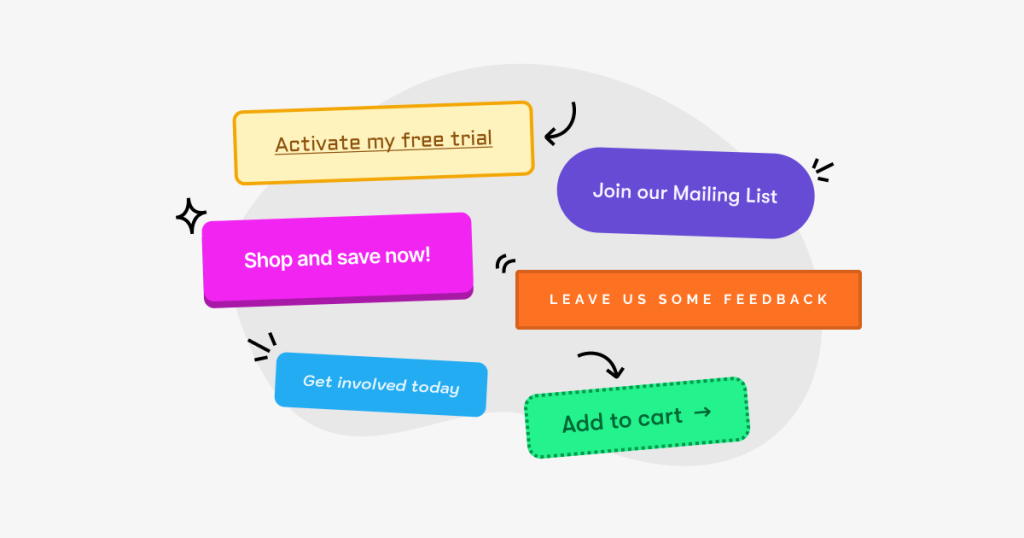
Before optimizing copy or color, your team must recognize the strategic role of the CTA. It is the culmination of the entire customer journey and must be mapped precisely to the user’s intent.
Intent, Context, and the Customer Journey
Awareness Stage (Top-of-Funnel): The user is problem-aware but not solution-aware. Their intent is informational.
- Appropriate CTA: “Download the Free Guide,” “Read Our Latest Research,” or “Discover the Problem.”
Consideration Stage (Middle-of-Funnel): The user knows the problem and is evaluating solutions, including yours and competitors’. Their intent is investigative.
- Appropriate CTA: “Compare Pricing Plans,” “Watch a Demo,” or “View Client Case Studies.”
Decision Stage (Bottom-of-Funnel): The user is ready to transact. Their intent is transactional.
- Appropriate CTA: “Start My Free Trial,” “Request a Custom Proposal,” or “Schedule a Strategy Call.”
Identifying and Reducing Customer Friction
The executive challenge often lies in reducing the mental effort (friction) required to click the button. Your Crafting Compelling CTAs strategy must address three types of friction:
Cognitive Friction: Is the user confused about the next step? Solution: Use clear, simple, active language that tells them exactly what will happen next.
Value Friction: Does the user believe the value they receive is worth the action they must take (time, money, email address)? Solution: Use persuasive copy that emphasizes the benefit they gain, not the action they take.
Anxiety Friction: Is the user afraid of commitment or spam? Solution: Add micro-copy near the button like “No Credit Card Required” or “We Value Your Privacy.”
2. The Copywriting Arsenal: Marketing Conversion Copywriting Tactics
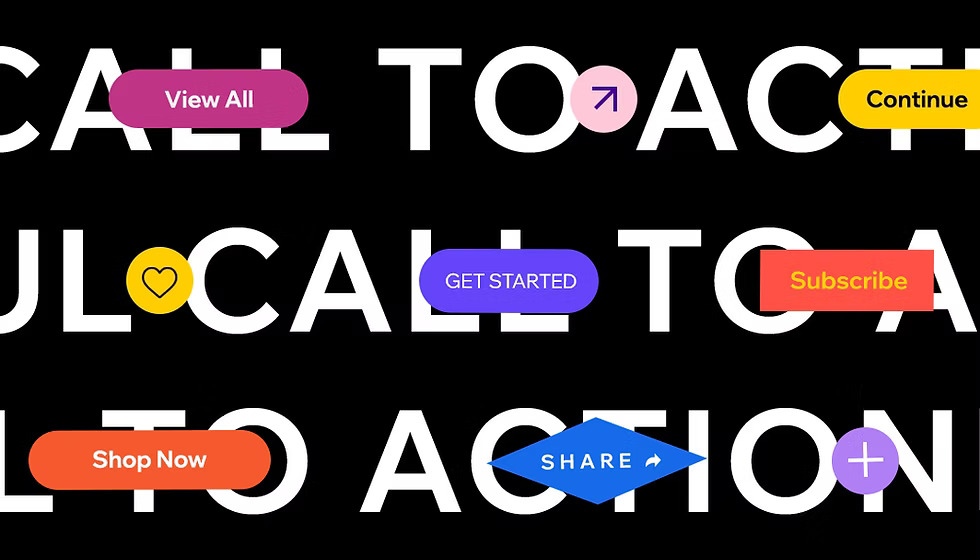
The words you use within and around your CTA are the most powerful levers for improving conversion rates. Marketing Conversion Copywriting focuses on benefit, immediacy, and ownership.
Focus on Benefit, Not Action
- Weak Action-Focused Copy: “Click Here,” “Download,” “Submit.”
- Strong Benefit-Focused Copy: “Get My Custom Audit,” “Unlock the Full Report,” “Start Saving Today.”
Leveraging Psychological Triggers
High-converting CTAs tap into fundamental human psychology, leveraging immediacy and the principle of ownership.
Urgency and Scarcity: Introduce a time-bound element to motivate immediate action.
- Example: “Claim Your Spot (Only 5 Left)” or “Download Before Midnight.”
First-Person Ownership: Use “My” instead of “Your.” When a user clicks “Get My Free Audit,” they psychologically take ownership of the benefit before the conversion is complete.
- Example: “Build My Perfect Strategy” converts higher than “Build Your Perfect Strategy.”
Clear Value Quantification: Whenever possible, specify the value the user receives.
- Example: Instead of “Request Pricing,” try “See How Much You Can Save.”
The Power of Micro-Copy
3. The Design and Placement: Optimization and Technical Execution
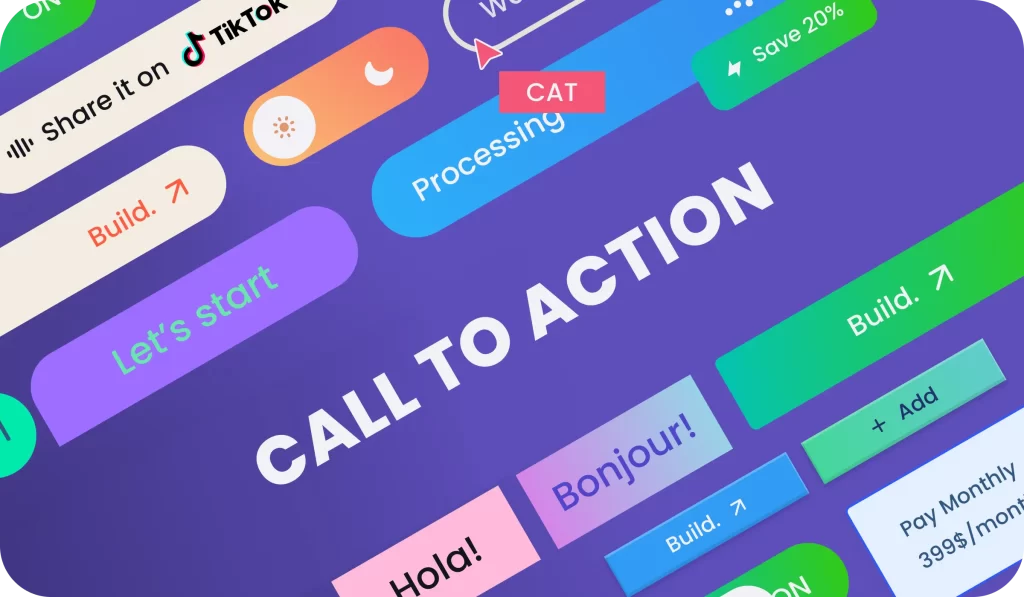
Even perfect copy will fail if the CTA is invisible, inaccessible, or technically flawed. Effective CTA Optimization Tips must address color, size, placement, and technical implementation.
Visual Contrast and Size Optimization
The CTA must stand out as the singular point of action on the page. It should not blend into the background.
The Contrast Rule: Use a color for the CTA button that is not used anywhere else on the page and provides maximum contrast with the background. Do not let brand color loyalty override conversion efficacy.
Size and Shape: The button must be large enough to be easily clicked on a mobile device (a critical factor for accessibility and High-Converting Calls to Action). Use slight rounded corners, which studies show the human eye prefers over sharp corners.
Whitespace: Surround the button with sufficient whitespace (negative space). This isolates the CTA from surrounding content, naturally drawing the user’s eye to the point of conversion.
Strategic Placement for Maximum Conversion
- Above the Fold (Simple Offers): For high-intent traffic or simple offers (e.g., “Sign Up for Newsletter”), placing a clear CTA immediately above the fold is essential.
- The Cliffhanger Placement (Complex Offers): For high-value B2B services, the user needs justification. Place the CTA after key blocks of persuasive content: after the social proof section, and after the core features breakdown. The final, most prominent CTA should be at the very bottom.
- Sticky CTA (Mobile): For optimal CTA Optimization Tips, utilize a sticky or floating CTA button on mobile devices. This keeps the conversion point visible without requiring the user to scroll back up.
4. The Data Loop: A/B Testing CTAs for Continuous Improvement
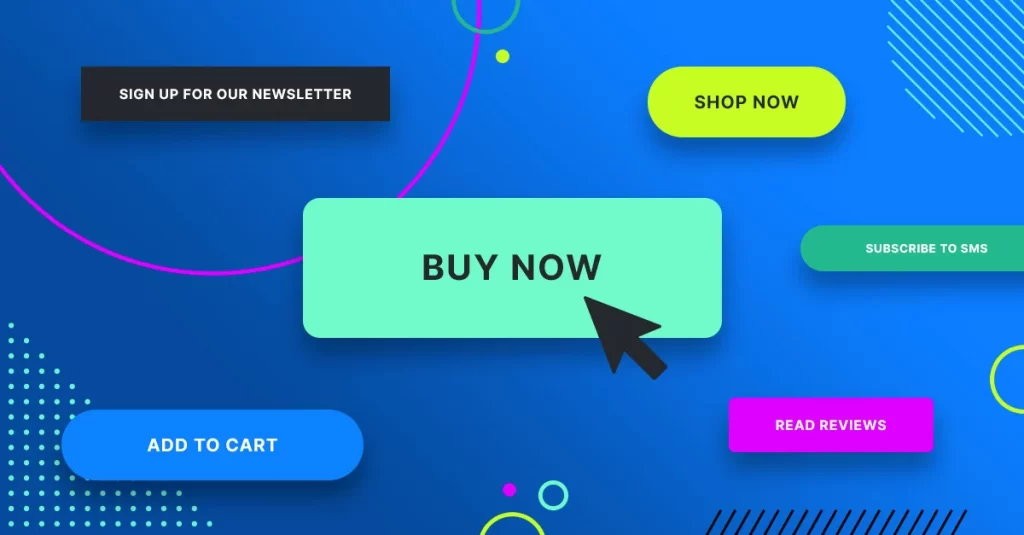
The greatest difference between high-performing and average marketing teams is the discipline of continuous testing. A/B Testing CTAs is the non-negotiable step for maximizing Marketing Conversion Copywriting impact.
Structured A/B Testing CTAs Protocol
Never rely on a single CTA version. Continuous A/B Testing CTAs allows you to evolve your highest-performing assets based on real user behavior.
Test Variable | What to Test | Hypothesis Example |
Copy | Benefit vs. Action Focus (e.g., “Get Proposal” vs. “Request Proposal”). | “Get” implies immediate benefit and will increase conversion rate by 10%. |
Color | Two high-contrast colors (e.g., Orange vs. Green). | Orange will stand out more against the page’s blue primary color, driving higher clicks. |
Micro-Copy | Presence or absence of reassurance (e.g., “100% Free” below the button). | Adding reassurance will reduce anxiety and improve form completion by 5%. |
Placement | Top of the page vs. Middle of the page (for complex offers). | Users need to read the full value proposition, so the middle placement will convert better. |
Analyzing and Scaling Winning CTAs
The final step is to accurately analyze the data and integrate the winning CTA into your entire ecosystem.
Statistical Significance: Ensure your test runs long enough to achieve statistical significance. Do not end a test based on a whim or a small sample size.
Integration and Consistency: Once a CTA version proves superior, immediately update it across all relevant assets: landing pages, emails, and primary website buttons. High-Converting Calls to Action must be consistent across the entire user experience.
Turn Clicks into Cash with Conversion Copywriting
Your Call to Action is the lynchpin of your Digital Marketing ROI. By applying a disciplined framework—moving from contextual mapping to persuasive Marketing Conversion Copywriting and continuous A/B Testing CTAs—your team can transform mediocre traffic into consistent revenue. Stop watching prospects drop off at the final hurdle. Start engineering conversions.
ONEGROUPJA possesses the expertise in both data-driven CTA Optimization Tips and persuasive copywriting to ensure your buttons work as hard as your media budget. We specialize in transforming digital touchpoints into high-performing revenue generators.
Take Action Now: It is time to perfect your conversion copy. Reach out for a specialized CTA and Landing Page Audit. Let us show you how to start converting every time.
Email us today to schedule your strategy session: info@onegroupja.com