
Key Web Design Elements That Boost Conversion Rates (and Lower Bounce Rate)

By ONE INTEGRATED GROUP
As a business owner or CMO, you invest heavily in driving qualified traffic to your digital storefront. Yet, a crucial question remains: Why is our multi-million dollar traffic not converting into revenue? The answer often lies not in your marketing spend, but in your website’s fundamental design. A high-performing website is not merely aesthetically pleasing; it is a meticulously engineered conversion machine. Therefore, its design must intentionally guide the user toward action, minimizing friction at every turn.
We specialize in designing digital platforms where form meets function. We link every Web Design for CRO decision directly to measurable business outcomes. This comprehensive guide reveals the essential Web Design Elements That Boost Conversion Rates while simultaneously implementing Lower Bounce Rate Strategies. Consequently, you will transform your website from an online brochure into your most reliable sales asset. Your executive team needs this strategic blueprint for building a High-Converting Website Design.
1. The Core Foundation: Speed, Responsiveness, and Clarity
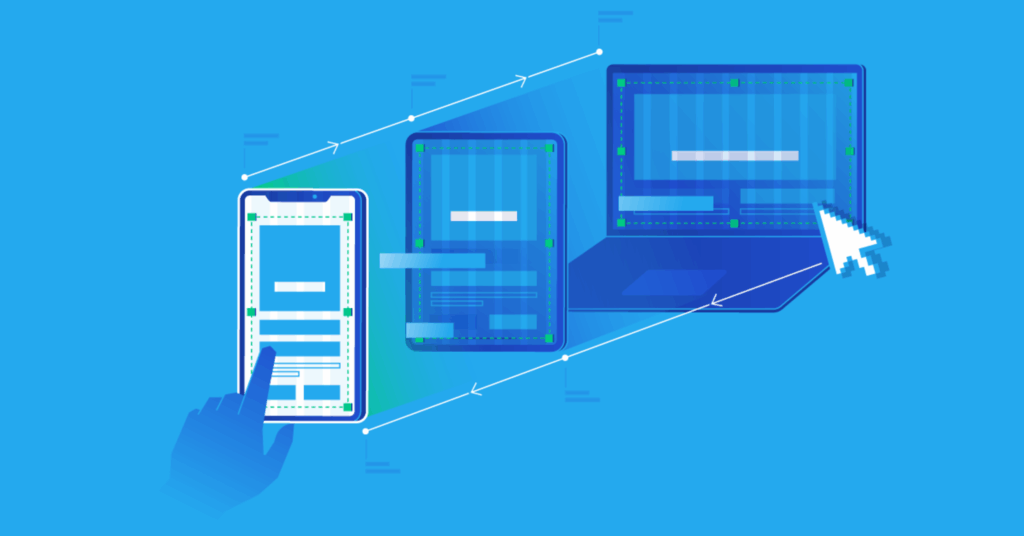
Before optimizing visual elements, you must ensure the technical and foundational experience is flawless. A slow or broken experience is the fastest way to hemorrhage potential leads and significantly Lower Bounce Rate.
Optimize for Speed and Mobile Responsiveness
Users—especially busy executives—demand instant gratification. Page speed is a critical UX for Business Growth factor and directly impacts your bounce rate.
Load Time is Conversion Time: Studies consistently show that a two-second delay in load time can increase bounce rate by over 100%. Aim for a load time under three seconds.
Mobile-First Design: Over half of all global web traffic originates from mobile devices. Your Web Design for CRO must be mobile-first, not merely mobile-responsive. Prioritize touch targets, finger-friendly navigation, and single-column layouts for ease of use.
Image Optimization: Compress all images and leverage next-gen image formats like WebP. Implement lazy loading for images below the fold to prioritize visible content.
Strategic Use of Visual Hierarchy
Visual hierarchy uses design elements to signal importance to the user, directing their attention toward your primary conversion goals. Do not let your design scream everywhere at once.
F-Pattern and Z-Pattern Layouts: Leverage these proven eye-tracking patterns. Ensure your most critical value propositions and Conversion Rate Optimization Elements are placed along the user’s natural scanning path (top-left, center, top-right).
Effective White Space: Use negative space strategically to reduce cognitive load and draw attention to key elements like headlines and Calls-to-Action (CTAs). A cluttered page drastically increases friction.
Consistent Typography: Use a maximum of two font families. Ensure sufficient contrast between text and background for readability, maintaining a professional and reliable tone.
2. Information Architecture: Reducing Cognitive Friction
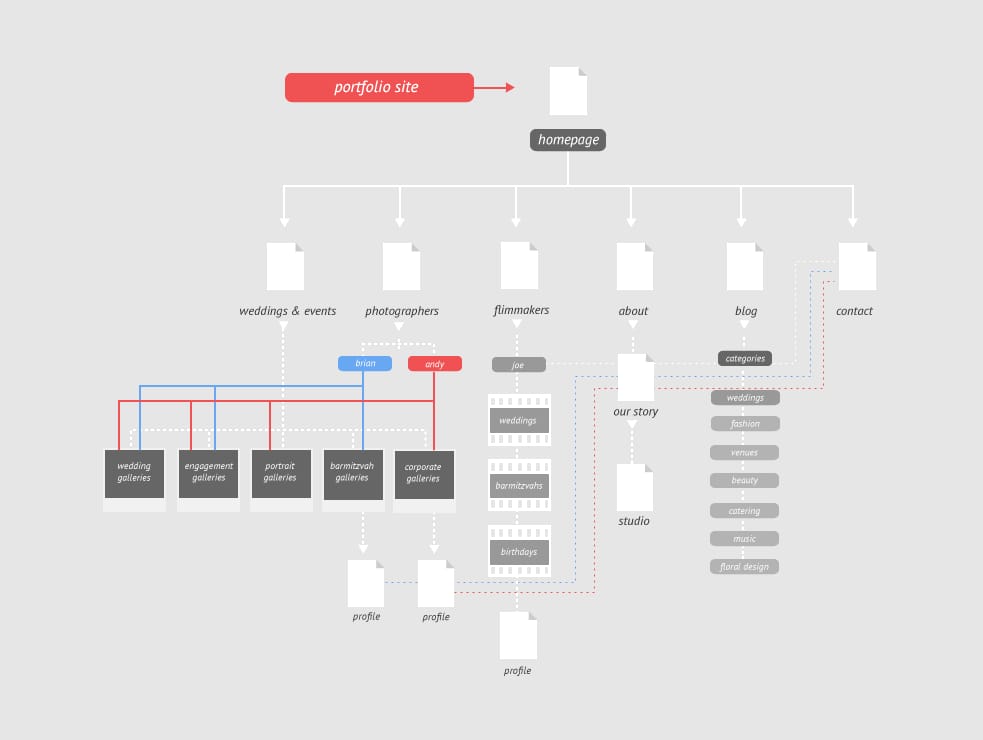
Cognitive friction—the mental effort required to process information—is the silent killer of conversions. Your High-Converting Website Design must provide immediate clarity regarding who you are, what you do, and the primary benefit you offer.
The Above-the-Fold Zone (The VITAL Area)
The area users see before scrolling is your most valuable real estate. It must clearly answer three questions in under five seconds:
Element | Purpose | CRO Focus |
Headline (H1) | State the benefit of your solution, not just the feature. | Address the core pain point immediately. |
Sub-Headline | Provide secondary, supporting details and social proof. | Explain how your solution delivers the benefit. |
Primary CTA | Give the user the next step. | Use action-oriented language (e.g., “Start Your Audit”). |
Trust Signal | Include a recognizable client logo or statistic. | Build instant credibility for decision-makers. |
Clarity Over Cleverness in Navigation
High ad spend is wasted if the landing page converts poorly. Your ad must align perfectly with the page the user lands on. This is a critical factor for Profitable Online Campaigns.
UX for Business Growth prioritizes predictable navigation. Therefore, users should never have to think about where to go next.
Simple, Concise Labels: Use standard terms like “Services,” “About Us,” and “Contact.” Avoid jargon or cutesy names in your main navigation.
Sticky Navigation Bar: Keep the primary navigation and a smaller version of your Primary CTA visible as the user scrolls. This maintains context and access to the conversion path.
Footer Navigation: Reinforce primary links, include utility links (Privacy Policy), and repeat your contact information. This is a key Conversion Rate Optimization Element for users who scroll to the bottom.
3. Designing High-Impact Conversion Rate Optimization Elements

Your design must implement specific elements engineered to overcome skepticism and propel the user toward action. These are the engines of your Web Design for CRO.
The Anatomy of a High-Converting CTA
The CTA button is where the transaction—whether it is an email capture or a purchase—takes place. Optimize it like the mission-critical component it is.
The Power of Social Proof and Trust Signals
B2B decisions involve significant risk. Your design must proactively mitigate this risk by featuring verifiable proof and building instant trust.
Prominent Testimonials: Feature testimonials from recognizable clients or executives relevant to your Target Audience. Use headshots for authenticity.
Security Badges and Certifications: For SaaS or financial services, prominently display security seals (e.g., SSL, ISO certifications) near your payment or sign-up forms.
Client Logos and Awards: Showcase logos of major clients directly on the homepage and landing pages. This is the fastest way to establish credibility with Marketing VPs focused on funnel efficiency.
4. Advanced UX Tactics for Lower Bounce Rate Strategies

To keep users engaged and moving down the funnel, your design needs to anticipate their needs and reduce the chance of them leaving the page prematurely. These strategies are critical for effective UX for Business Growth.
Enhance Engagement with Interactive Content
Static pages invite stagnation. Dynamic elements encourage users to spend more time, signaling value to Google and dramatically helping to Lower Bounce Rate.
Interactive Calculators: Create a tool that allows a user to estimate ROI or cost savings based on their company data. This provides immediate value and captures high-intent data.
Clear Next Steps: At the end of every major section, provide a clear, logical jump to the next relevant piece of content (e.g., “Read the Case Study” or “See Our Pricing Structure”).
Internal Linking Structure: Use text links naturally within your content, pointing to other relevant, high-value pages. This keeps users exploring your site rather than leaving the domain.
Micro-Interactions and Form Optimization
Form design is one of the most overlooked Conversion Rate Optimization Elements. It is often the final hurdle before a lead is secured.
Multi-Step Forms: For lengthy B2B lead forms, break the process into 2-3 shorter steps. Users are psychologically more likely to complete a form once they have started the first step.
In-Line Validation: Provide real-time feedback as the user types (e.g., a green checkmark next to a correctly entered email address). This prevents frustration from having to resubmit the entire form.
Chatbot Integration: Integrate an intelligent, intent-based chatbot designed to answer common sales questions or route the user to the correct contact person. This effectively reduces customer friction.
Transform Your Website into a Revenue Engine
A website redesign or audit should never be about aesthetics alone. It must be a surgical, data-driven process focused on maximizing efficiency and revenue. By implementing these key Web Design Elements That Boost Conversion Rates—from optimizing load speed to mastering the CTA—your team can achieve immediate, tangible improvements in funnel performance and successfully Lower Bounce Rate. This strategic approach to Web Design for CRO is the difference between generating multi-million dollar traffic and converting it into multi-million dollar sales.
ONEGROUPJA. uses an executive-level, data-driven framework to ensure your website development project is an investment in measurable business growth. We do not just design websites; we architect conversion pathways.
Take Action Now: It is time to stop losing qualified traffic to poor design. Reach out for a specialized website audit to identify the precise Conversion Rate Optimization Elements your site needs right now.
Email us today to schedule your personalized strategy session: info@onegroupja.com