
Managing Event Logistics and Vendor Management for Trade Shows: Achieving Stress-Free Event Planning

By ONE INTEGRATED GROUP
As an Operations Manager or Procurement Lead, you know the immense pressure of organizing a trade show. A successful trade show requires Event Execution Best Practices under extreme deadlines. However, the complexity of coordinating dozens of vendors, thousands of square feet of space, and hundreds of moving parts can quickly descend into chaos. If your logistics plan is fragmented, your brand’s reputation and significant financial investment are at risk.
The key to a successful event is achieving Stress-Free Event Planning through rigorous process management. You need a disciplined, operational framework that treats every vendor as a crucial component of a single system. This guide is designed to highlight expertise in the complex operational side of Event Planning & Execution. We will show you how mastering vendor management and logistics is the essential foundation for a seamless, high-ROI trade show experience.
Phase I: The Operational Foundation of Trade Show Success
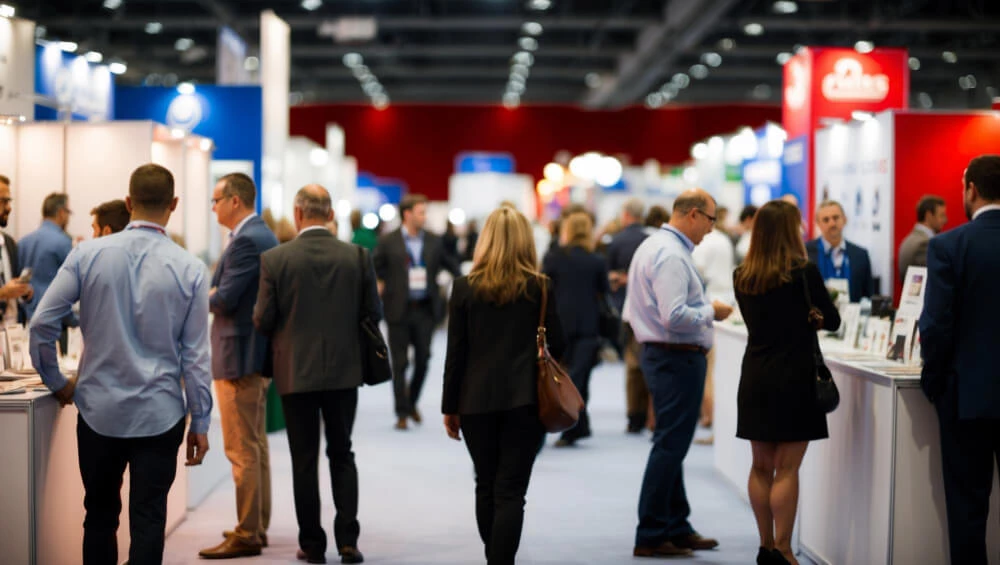
A trade show is not just a marketing effort; it is a massive logistical project. Furthermore, its complexity demands a systematic approach to planning and risk mitigation.
Why Poor Logistics Undermine Event ROI
The minute details of Managing Event Logistics directly impact your return on investment (ROI). Friction points quickly erode brand equity and attendee satisfaction.
Eroded Brand Perception: Late deliveries, disorganized registration, or insufficient signage create an amateur impression. This reflects poorly on your company’s professionalism.
Wasted Budget: Poor coordination leads to costly last-minute fixes, overtime charges from labor, and unneeded rental fees. Consequently, this unnecessary spend directly reduces your ROI.
Diminished Lead Quality: Attendees frustrated by poor flow or long lines are less engaged with your booth staff. Therefore, the quality of leads captured suffers.
Event Execution Best Practices: The Pre-Planning Mandate
Before contacting a single vendor, your team must finalize the strategic and structural foundation of the trade show. This ensures all spending aligns with clear objectives.
The Floorplan Blueprint: Finalize your booth’s placement and design first. This blueprint dictates power needs, traffic flow, and vendor delivery schedules.
Identify Critical Path Items: Determine which vendors and logistics tasks have the longest lead times and the highest risk (e.g., custom fabrication, international shipping). These tasks require daily monitoring.
The “What If” Scenario: Develop contingency plans for the top three operational failures: A/V failure, catering miscount, and late freight delivery. You need immediate, documented alternatives for each.
Phase II: Vendor Management for Trade Shows: Selection and Contract Rigor
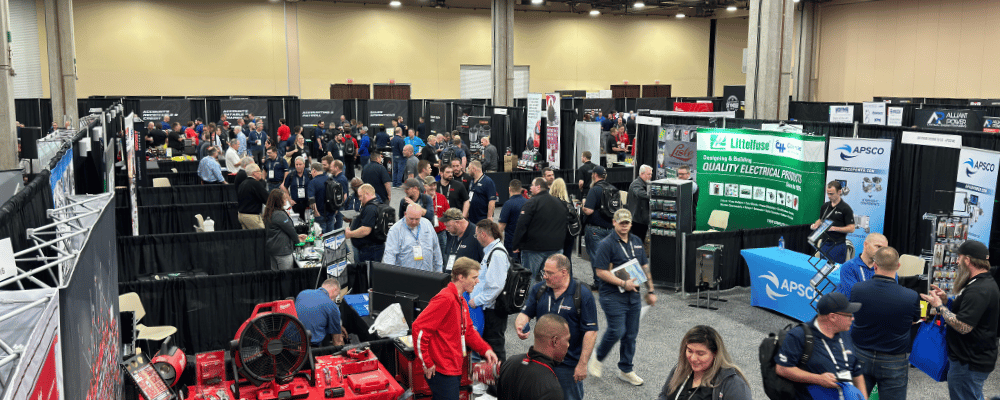
Your vendors are direct extensions of your operations team. A strong relationship built on clear contracts and communication is the single biggest factor in achieving Stress-Free Event Planning.
Vetting Vendors for Operational Resilience
Don’t select vendors based on price alone. You must vet them for their ability to deliver flawlessly under the high-pressure environment of a trade show.
Selection Criterion | Rationale | Management Action |
Track Record | Vendor Management for Trade Shows requires specialized experience. They must know venue rules, local labor laws, and freight processes. | Require three recent, relevant trade show references, not just general event references. |
Clear Redundancy | They must have backup staff and equipment. A single point of failure (e.g., one lighting technician) is unacceptable. | Demand proof of backup equipment or secondary personnel assigned to your event. |
Defined Insurance | Their insurance must meet the strict liability requirements of the venue and your company. | Verify their Certificates of Insurance (COI) immediately upon signing the contract. |
The Contract as a Communication Tool
Your vendor contract is more than a price agreement. It is a critical operational document that defines accountability and minimizes ambiguity.
Define Deliverables Precisely: Do not use vague language. Specify exact quantities, dimensions, delivery times (e.g., “10:00 AM on Monday, March 3rd, to Dock C, Bay 4”), and the responsible contact person.
Stipulate Penalties: Include clear, performance-based clauses. Define penalties for late setup, no-shows, or failure to meet agreed-upon service levels.
Outline Onsite Authority: Define which team member (e.g., the Production Lead) has the authority to approve changes or trigger emergency protocols onsite. This avoids chaos when time is critical.
Phase III: Coordinated Event Logistics and Onsite Command

The week of the trade show demands constant, synchronized effort across all teams. Your logistics plan must be highly detailed and communicated to every stakeholder.
Mastering Freight and Delivery Scheduling
Freight logistics are notoriously complex and prone to delays. Meticulous planning is non-negotiable for Managing Event Logistics.
Staggered Deliveries: Never allow multiple major vendors (e.g., custom booth builder, A/V, catering) to arrive simultaneously. Stagger arrivals by at least two-hour windows to avoid congestion at the loading dock.
Required Documentation: Ensure every piece of freight is clearly labeled with the company name, booth number, and a designated contact person for acceptance. Action: Mandate that all receiving personnel sign off on all documentation.
Local Storage Contingency: Secure a local storage unit or a staging area near the venue. This allows you to accept early or late freight without incurring expensive venue storage or forcing vendors to wait.
The Onsite Command Center Protocol
The Mandate for Operational Excellence
Managing Event Logistics and achieving operational excellence is the secret ingredient to a profitable trade show. By implementing rigorous Vendor Management for Trade Shows and strategic Event Execution Best Practices, you transform a complex liability into a predictable asset. This disciplined approach minimizes risk, controls costs, and assures your Operations Managers that your brand will shine without the drama. The ultimate measure of a great trade show is simple: when the operation is flawless, the focus stays exactly where it should be—on your sales and brand message.
Ready to transform your next trade show from a logistical nightmare into a predictable, Stress-Free Event Planning success?
Contact ONEGROUPJA today for a personalized consultation on Managing Event Logistics and achieving seamless Event Planning & Execution.
Email us at: info@onegroupja.com for further assistance, strategy discussions, or inquiries.